
Does Anyone Listen to Feedback These Days?

Hello all,
I’ve decided to put together another newsletter after a brief (several month) hiatus! This stream of thoughts was partially inspired by my recent, wonderful beta readers for Book 2 of the Vent Chronicles, and also by the finale of Stranger Things, which dredged up opinions from all corners of the internet. The last few months have had me thinking a lot on how to interpret and incorporate feedback, and why, in this modern age of fast communication and unrivaled connectivity, are works of art being released that are filled with plot holes and scenes that don’t quite hit right.
If you’re at the stage in your writing where you’re receiving feedback and wondering how to approach it, read on and hopefully my thoughts help.
With my newsletters, I tend to shift between pieces about writing and pieces about fantasy worldbuilding. For my followers who are here for tidbits and lore from Ralvera, my deepest apologies, this is not going to be one of those newsletters, but I’ll have something great for you next time. Before you go, take a brief look at the update below!
Book Updates
I’m so excited to announce the title of Book 2 of the Vent Chronicles! Without further ado:
The Onyx Mask
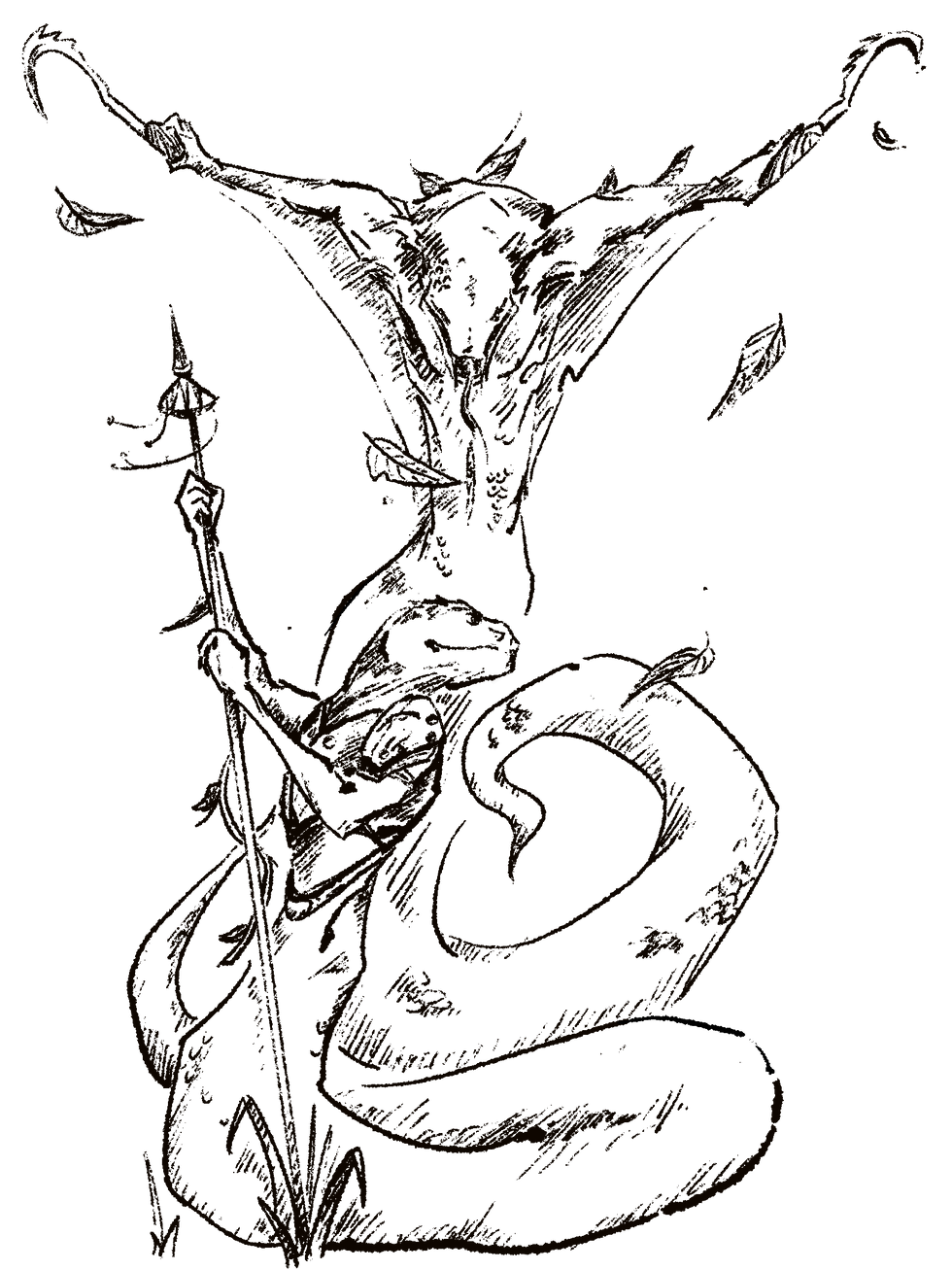
I’ll do a proper cover reveal when the art is fully complete, but here’s what John Spencer was able to mock up while we were chatting about it. Very excited to see the finished product when it’s developed.

This book is on track to publish late spring/early summer! It will pick up right where The Oasis Stone left off, with Mayve and Srrith about to meet Raudius and Cindri in the mountain city of Savin Actai. I’m buzzing about this installment and I can’t wait for everyone to read it.
If you’re not caught up yet, go read The Oasis Stone. It might not be on Kindle Unlimited much longer (I’m on the fence about keeping it there.) An enormous thank you to everyone who has read it and left a rating or review! Hearing how many people have enjoyed it so far has been so incredible.
Now, onto the real write-up.
How I Incorporate Feedback
Everyone’s writing process is different, and that includes when and how your writing reaches another person’s eyeballs. Many people like writing groups and other supervisions, trying to improve each chunk of their story not long after it touches paper. Personally, I avoid every living soul until each word I need has been laid into my manuscript, and even then, it gets another round of editing (or two).
A lot of my feedback happens internally, as I write with a few specific people in mind. The first is my brother, who has a near photographic memory and will rant about anything that is good or bad in a fantasy novel. If I write a scene, I think about whether he will find it rant-worthy or not and that helps define what gets put on the page. The other internal test in my D&D group. I’ve run their adventure long enough that I can ask myself, “Would my friends have fun if they were in this scene? What would they comment on, like, or dislike?”
By the time the manuscript goes to beta readers, I’ve written something that I’m happy and excited about, and now it’s time to see if real people think the same way. My beta readers are excellent. They have great notes, they confirm my suspicions (good and bad), and point out areas they did not like for me to take a second look over. At the end of the process, my story is stronger without question.
However, I don’t incorporate everything my beta readers suggest. Parsing through feedback is something I am trying to improve at. I’ve found everything fits in three categories:
Changes I agree with
Changes I don’t agree with
Changes I agree with, but choose to ignore
Category 1 feedback is the easiest to spot. These are plot holes, missed ideas, and huge questions that the readers had that were not answered when they should have been. Category 2 is what you like too much to remove, or more often, it’s stuff that the reader missed but was actually mentioned in the story at some point. This is an opportunity to go back and make what they missed more clear. They were wrong that something needed to be changed, but it’s because you didn’t make it clear enough to begin with.
The first and second categories can be breezed through and result in fast changes to the manuscript. Category 3 usually results in a week or two of lamenting on my part and often takes the form of smaller changes that I believe take the edge off the criticism while at the same time keeping my core vision of the story true to itself.
Don’t discount the power of tiny changes. A slight shift in a character’s perspective or motive can reverberate through their whole story line and might soften the reader’s opinion. Sometimes all you need is a few targeted sentences, precisely added in a few different chapters. You don’t always have to kill your darlings; sometimes you just need to camouflage them.
As a people pleaser, it can be difficult to come to terms with Category 3 sometimes. Ignoring feedback can be extremely dangerous, especially if it’s valid. In the case of the feedback I received for The Onyx Mask, the readers’ final opinions ranged from “I liked it” to “I loved it.” A real 4-5 star experience.
Could I change the Category 3 items and potentially convert some 4 stars into 5 stars? I think likely, but I liked the story enough that I decided not to squeeze blood from a stone. If everyone reads the book and decides its a 4-5 star experience, I’m over the moon.
If the beta readers had instead decided that The Onyx Mask was a 2-3 star experience, my reaction would be quite different. A lot of Category 3 feedback would be in Category 1 instead.
Another important point; Category 3 items can and will reverberate through every book I’ll write. Feedback can be taken to heart and applied in the future, not just to your current work. It’s like a bad joke from a stand-up routine. Only some people found that funny? Well then, I’ll keep that in mind for my next set. That scene only hit with half my beta readers? I see why and I agree; I’ll write it differently next time. This time, I love it and it’s staying in.
Now, imagine my curiosity when, as I’m internally debating what to keep and what to throw away, the biggest Netflix show of all time ends on a note so controversial that half the fanbase believed a secret ending is on its way.
A Quick Question for Stranger Things
Spoiler warning, of course, for anyone reading further (Stranger Things and Game of Thrones specifically)
Here is what churned in my mind as I drove to work every day: “Why am I stressing over the fussiest changes to my indie fantasy novel when the largest show on Netflix just seemed to phone it in?"
I’ve looked around on the internet for a bit trying to see if Netflix held any “beta reading” for their latest season. From what I can tell, the first two episodes were screened for some select fans who came away with good things to say. I agree with them; overall, I liked Season 5, and I thought it was entertaining. The longer I sit on it, though, the more I start to poke holes in it, and fans on the internet seem to agree on some common threads:
Why were there no demogorgons or other monsters in the Abyss?
Why was the Mind Flayer so easy to kill? A bunch of teenagers took it down with molotov cocktails
The main characters suffer no consequences from the government for the multiple murders they each committed?
There are more if you dig deeper. These are things that my beta readers would have caught and mentioned, rightfully so. If my readers had posed these plot holes to me, they would have been huge Category 1 infractions. Why were only the first two episodes screened? Why not more? I didn’t show my beta readers only the first two chapters of my book, that would be silly.
To be fair, I’m no expert on the film industry. Re-shooting new scenes is not the same as deleting a few paragraphs on Scrivener. I don’t need to hire a team of CGI artists to redo a fight scene. Once the show is actually captured on camera, it’s set in stone and you have to make do in the editing room.
However, as a fan, I can definitely complain. Do the scripts not have beta readers? In the Netflix documentary, One Last Adventure: The Making of Stranger Things 5, we see one of the writers speak up and say that the Abyss needs to have demodogs. He was right, and with a host of beta readers saying the same thing that change could have been made.
The last season of Game of Thrones comes to my mind as well. It was one of my favorite shows, yet when I think back on it, I don’t see the Red Wedding or Oberyn’s fight against the Mountain. I see one of Daenerys’s dragons getting shot out of the sky by a fleet of ships that appeared from absolutely nowhere. You mean I should believe that the Mother of Dragons did no forward scouting at all? She simply didn’t see them from the sky?
I rewatched the scene as I wrote this just to refresh my memory. It sucks. The boats are behind an island yet they nail three, direct scorpion hits on Rhaegar? Then, they all miss Drogon as he’s flying right in front of them? Why did no one stop the writers here and say “This is ridiculous. People are going to be mad.”
It was ridiculous. Seven years later, I’m still mad.
To give some leniency to shows and movies, a great script doesn’t always get executed properly and bad scripts can be turned into something great if shot and acted well. There’s far more moving parts than a novel. Books don’t need to have those problems. If beta readers don’t like a poorly written novel, you can write it again. It only costs your time. If a test screening goes poorly, you can’t shoot the movie again. That’s it. Time to release it and hope you can scrape some money back.
The difference between film and book should be inconsequential, though. Fundamental issues in your scripts should be caught long before they get immortalized on a roll of film. Fundamental issues in your book should be rewritten long before it gets cover art and a place on a bookshelf. In the world of books, beta readers solve this issue, not to mention the litany of editors that see the manuscript at every stage of the process.
So where are the beta readers for these big shows? Where are the editors who step in and sound the alarm? Think back to the last piece of media—book, movie, video game—that made you scream at the pages and say, “Why!” How did it get that way and who could have prevented it?
What Can you Learn From This?
There are so many potential reasons why these franchises skip this “story-testing” process. Budgets? Schedules? The bottom line of profits? Game of Thrones and Stranger Things are two examples of huge franchises endings on somewhat sour notes (Game of Thrones more so). It could be the terrible mindset of, “We don’t need to keep fans after this. The show is over. It will get views regardless of whether or not it’s good, so send it out the door on time.”
Or worse, “Controversy breeds clicks. Why take the time to make it good when we can release it faster and generate some internet buzz?” It can’t be that. No writer worth their salt would ever do that.
Could it be the internet’s fault? Everyone’s opinion is loud and the people who disagree are always the loudest. I bet most people watched the Stranger Thing’s finale and thought, “Hmm, great.” Then, they went about their lives, never needing a secret final episode to drop and fix everything.
I’ve already mentioned how it’s impossible to write something that everyone loves. Do these shows simply accept the fact that some people will be mad and choose not to waste any time vetting their storyboard? At the end of the day, it’s most likely the work of a creative team that loves what they do and do it well, but they are hamstrung by higher-ups who don’t view it as a passion project, but rather as a vehicle for profit.
That’s it. Somewhere in the long chain of idea to implementation, the passion drops away. Someone isn’t doing their part.
We see this time and time again. Projects where the writers lack passion slowly (or quickly) degrade, while the projects lead by people who love their material stay strong.
Is there anything you can do about it, as a small artist with hopes, dreams, and maybe a tad of resentment at the system? Well, you can do what larger corporations won’t, and go get some beta readers. Listen to their feedback. Make your current story and your next story the best versions they can be.
Be passionate about your work. I’m stressing over the tiniest feedback because I love my story. Whatever you’re writing, you need to love it and want the best for it. Others will notice. Don’t be afraid to say, “You’re right, I need to change this,” but conversely, don’t be afraid to say, “I’m not changing this, even though you think I should.”
There’s a difference between you saying, “I love this part and I’m keeping it,” and a team behind a multi-million dollar franchise saying, “We wrote this part without thinking about it.” Don’t stress about your feedback. Do what feels right in your gut. Do what you have to do and what you want to do in equal parts.
Slop gets made because people don’t care. As long as you care, you’ll make something great that someone will want to read.
Thanks for reading.


Comments